Application Area
Natural hemp contains little THC, as a result it can never be turned into a drug. In addition, the hemp fibers obtained from the farm are used in the textile industry and the seeds in the cosmetics sector, as well as the woody stem is used in paper and fabric production.
Linen clothes, whose main ingredient is hemp, are in demand in the world due to their usefulness, being healthy, lightness and being sweat-free.

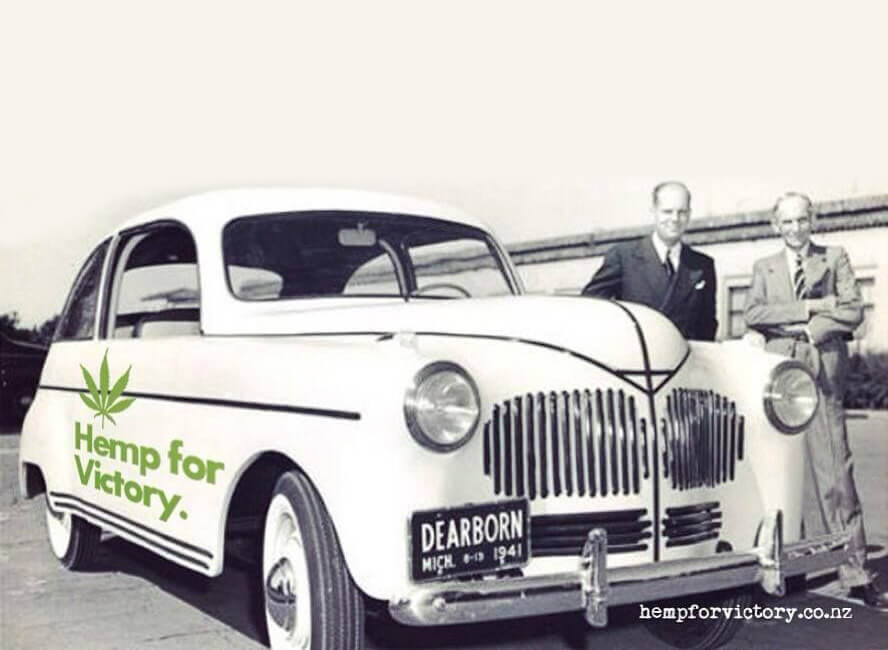
The hemp that contributes to the production of paper, fabric and food products, industrial and private energy production, and also feeds the soil while cleaning the air and is considered to be the only natural resource in this sense; that has an field of use from books to shampoo and automotive industry, was used in the coating of some recently produced cars as well as it was used about a hundred years ago.
On the other hand, it is among the findings that hemp is one of the rare plants that can be grown in unfavorable soils and marshy areas, and that its roots sprouting in the depths of the soil increase the fertility of soil by feeding it. In addition, while fiber plants such as cotton can be wasted up to 50% without being harvested from the field, it has been determined that this waste is not in hemp.
Hemp naturally contains THC and is a dioecious plant, very sensitive to environmental conditions such as day length and temperature. It shows different development pattern and reaction according to changing environmental conditions. For this reason, according to the purpose of hemp usage; The expected benefit is obtained by cultivating under different environments and conditions. While the rate of Tetrahydrocannabinol (THC) remains low in fiber-purpose (frequently grown) hemp, several times THC can be obtained from the same hemp genotype that is grown rarely, receives much sunlight, or an additional light source.

Research on hemp focuses on cultivation technique, textile industry, biopolymer - bioplastic and variety breeding. Nearly half of the 69 hemp varieties registered in Europe so far have been found in the last 10 years. Most of the registered variesties are monoic (hermaphrodite) varieties. In addition, dioic varieties have also been developed. Most of the developed varieties are industrial hemp containing low THC. The upper limit of the THC rate in industrial hemp should be 0.3% for Canada and 0.2% for the European Union. As a result of the use of varieties with low THC rates, hemp cultivation areas have started to increase in Europe and America. In order to be independent about hemp seeds with low THC for industrial hemp cultivation in our country, we need to develop our own domestic and national seeds. In this regard, an application has been made for the registration of two hemp varieties developed by the Black Sea Agricultural Research Institute, which is affiliated to Ondokuz Mayıs University and the General Directorate of Agricultural Research and Policies of the Ministry of Agriculture and Forestry. Registration will be completed at the end of 2019.
Before cotton, which is not a native plant of Anatolia, the clothing and fiber needs of the people living in this geography were met from flax and hemp. Other than the the most important usage areas of hemp fiber such as rope, twine, cable, tent, sack, textile; seed, fiber and stem are used in different fields.
Industrial Hemp Fiber, Stem and Fiber and Stem Combined Usage Methods
Hemp Fiber
a) Textiles (fabrics, bags, shoes, clothes, socks, etc.)
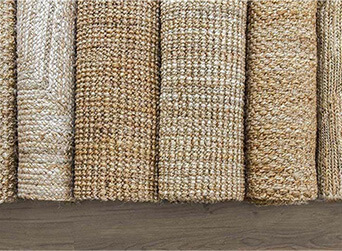
b) Technical Textiles (carpet, net, canvas, rope etc.)
c) New Usage Areas of Industrial Products (geotextiles, bio composites, automotive, nonwovens, profiling, compression coating)
Hemp Stem
a) Building Materials (chipboard, insulation, plaster, etc.) b) Industrial Products (animal litter, mulching, boiler fuel, chemical absorbent, etc.)

Whole Hemp Stem (fiber + stem)
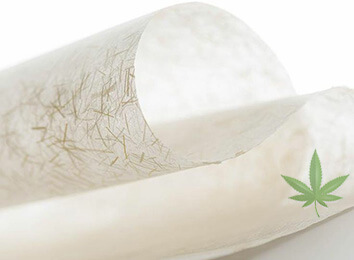
a) Paper (printing, cigarette, filters, newspapers, packaging, cardboard, etc.) b) Energy and Environmental Products (ethanol, biofuels, pellets, briquettes, erosion control mats, automotive, etc.)

Industrial Hemp Seed Usage Methods
Hemp Seeds
a) Food (bread, dessert, ice cream, milk, cereal, protein powder, cake, etc.)
b) After pressing (pulp for the bait industry, flour rich in protein, etc.)
Hemp Oil
a) Foods (margarine, salad oil, frying oil, EFA food supplement, etc.)
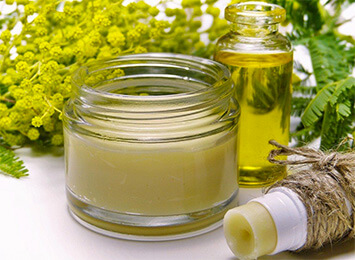
b) Personal Care and Cosmetics (soap, shampoo, hand cream, make up, lip cream, etc.)
c) Technical products (oil paints, solvents, varnish, lubricants, printing ink, biodiesel, coating etc.)


In today’s world in which hemp is used as a raw material for more than 25,000 products in the world and the commercial size of industrial hemp in the world has reached 4 billion dollars by 2018; as a country, with the hemp that we know the agricultural of it well, we can increase the contribution to the country's economy with rational and dynamic approaches and contribute to the formation of new sectors in our country.